
In a world increasingly characterised by complex and protracted crises, humanitarian organisations are faced with difficult decisions about resource allocation, prioritisation, and response effectiveness amidst limited funding and escalating demands. Exploring the intersection of humanitarian ethics, anticipatory action, and the use of innovative technologies, the conference provided a platform for practitioners and policy makers to gain insights into the evolving landscape of humanitarian assistance.

The conference featured high-level panel discussions with experts from a diverse range of international humanitarian organisations. The keynote speech was delivered by Christina Bennett (CEO of Start Network). Panellists included Juliet Parker (Director of ALNAP), William Anderson (Director of Sphere), Karin Maasel (Executive Director of Data Friendly Space), Robbie Phillips (Humanitarian Science and Technology Lead at FCDO), Miro Modrusan (Representative and Policy Advisor at INTERSOS), Thomas Byrnes (Independent Consultant, Market Impact), and Catalina Jaime (Head of Climate and Conflict at the RCRC Climate Centre). The panels were moderated by Kristen Davis (CEO and founder of CinqC), Eero Janson (Director of ERC) and Sigrid Solnik (Estonian Country Director of ERC).

Tallinn Humanitarian Conference is supported by ESTDEV – Estonian Centre for International Development Cooperation.

Featured topics

Tallinn Humanitarian Conference

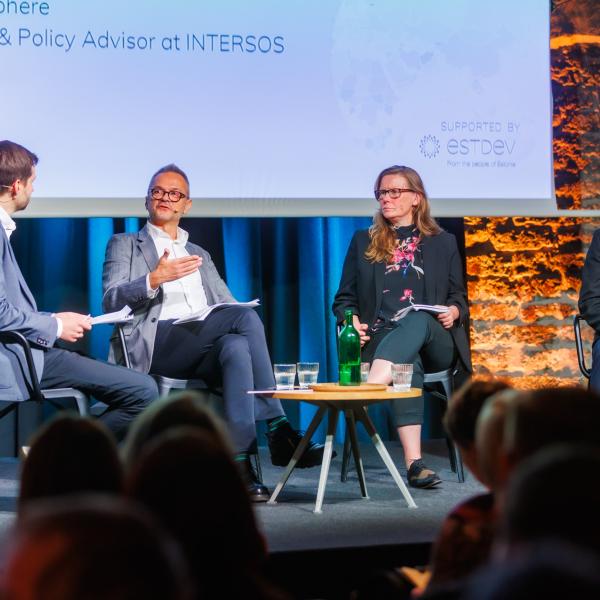
Between Scylla and Charybdis: Navigating the ethical dilemmas and moral conundrums in humanitarian settings

Humanitarian actors struggle daily to maintain a complex balance between upholding humanitarian principles of neutrality and independence on one hand and operational access to crisis-affected populations on the other. This panel discussed the moral dilemmas inherent in humanitarian work and to delved into case studies where upholding humanitarian principles while effectively addressing the needs of those affected by crises may be compromised. Rewatch the panel on YouTube
Tallinn Humanitarian Conference

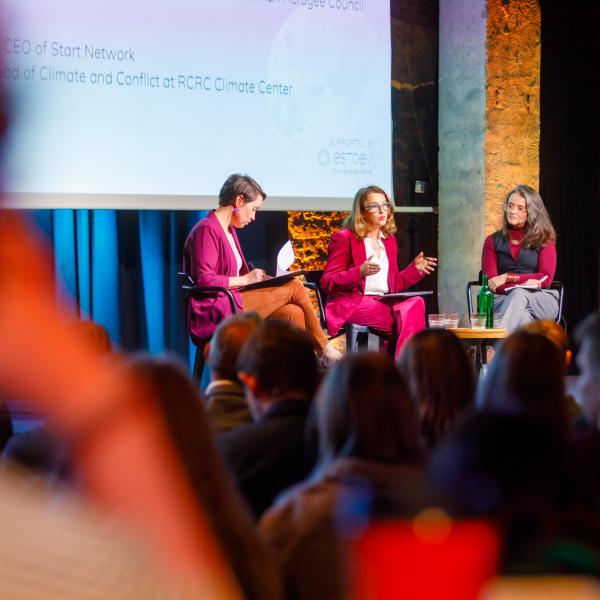
The possibility of foresight in conflict settings

Anticipatory action in conflict settings has become an important strategy for crisis management, aiming to mitigate potential crises before they escalate. This panel discussion explored the effectiveness and challenges of anticipatory action with a focus on complex emergencies, ultimately seeking to enhance the capacity of humanitarian organisations to respond effectively to emerging crises.
Rewatch the panel on YouTube
Tallinn Humanitarian Conference

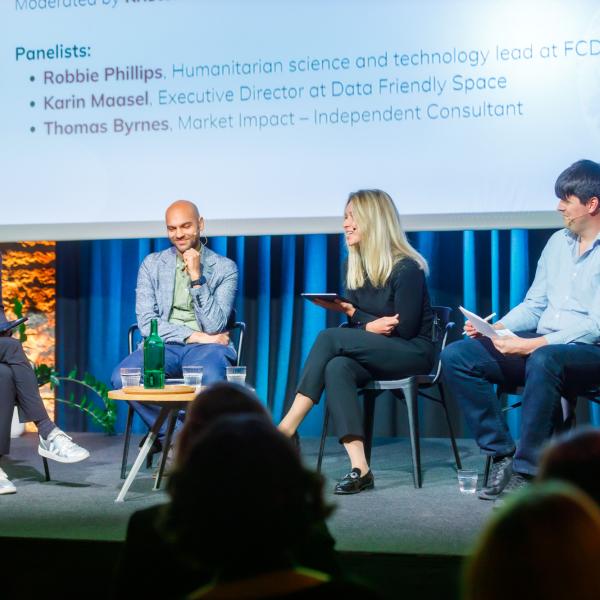
The role of AI in humanitarian action: Potential and risks in humanitarian action

As artificial intelligence technologies increasingly integrate into humanitarian efforts, they offer opportunities for improved data analysis and efficient resource allocation in crisis situations. This panel delved into the promising applications of AI in humanitarian action and the challenges that must be navigated to ensure that these technologies are used responsibly and effectively.
Rewatch the panel on YouTube

Written summary of the conference