
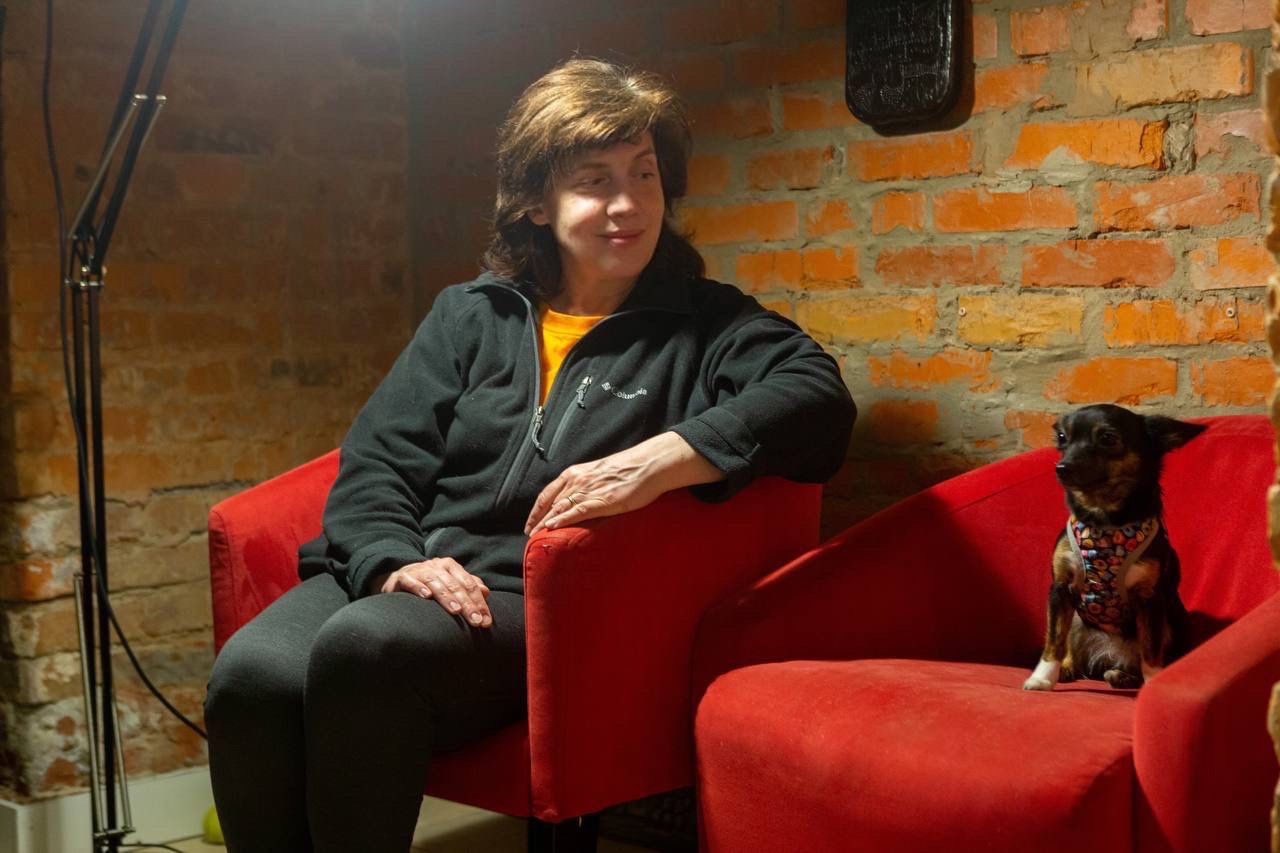
Maryna still regularly visits the flat she was forced to leave after an attack. She checks the pipes, heating system and neighbouring flats, knowing that their condition will determine whether she can safely return home one day.
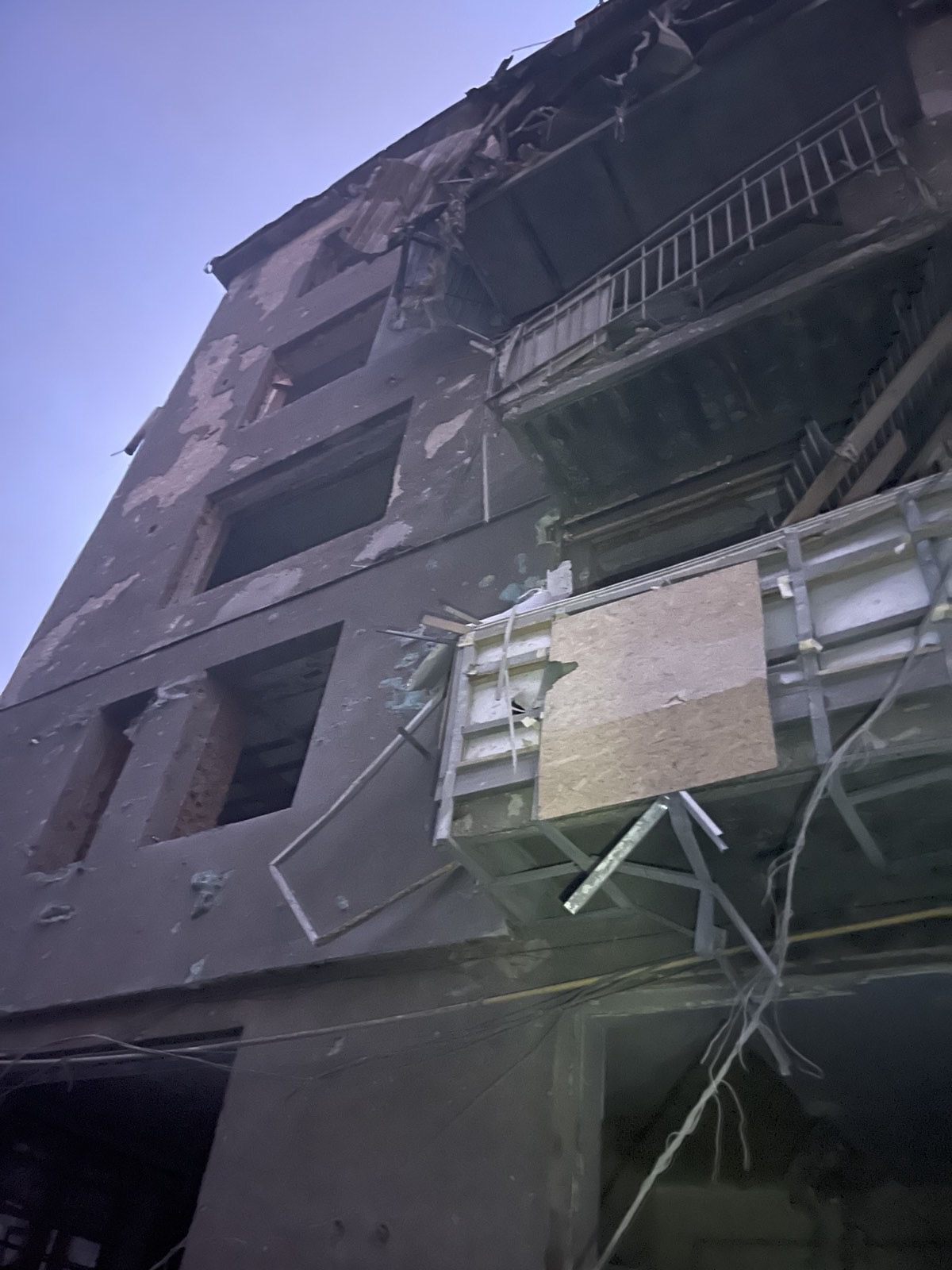
In the winter of 2026, Maryna’s flat was severely damaged in an attack on Kharkiv. The blast blew out the windows along with their frames, destroyed the balcony and damaged the doors, walls, furniture and household appliances. Some belongings had to be thrown away because tiny shards of glass had become embedded in clothing and fabrics.
Maryna was at home with her 91-year-old mother when the attack happened. After the first explosion, the flat filled with dust and debris. As Maryna was helping her mother across the room, a second strike hit. The front door became jammed, leaving the two women trapped inside until help arrived.
Afterwards, they moved to another place nearby.
The impact of the attack was particularly difficult during the winter. The building had heating problems, some flats remained empty, and windows were missing from the communal stairwell. The openings were covered with plywood and boards, but the cold still found its way inside.
The damage to their home gradually turned into months of additional expenses and difficult decisions: where to live, what to replace first, how to pay for medicines and everyday essentials, and whether to begin repairs while the condition of the building remained unpredictable.
Maryna’s family received cash assistance from the Estonian Refugee Council (ERC) — UAH 12,300 per family member. The assistance was provided to people whose homes had been damaged by shelling. For Maryna’s family, the expenses continued to mount even after they had
been forced to move.
“A lot of money went on moving. Then there were medicines, and then paying for accommodation,” Maryna explains.
The cash assistance is designed to cover basic needs. As the funds are not tied to any specific purchase, the family could decide for themselves what they needed most at the time.
“The money arrived literally a day or two [after registering for assistance]. I was very grateful because it came at just the right time,” says Maryna.
Following the attack, many residents moved out of the building. Some left Maryna their keys and asked her to check on their flats whenever she visited.
“I’m like the house spirit there,” she jokes. “They all say, ‘Well, you’re going there anyway, so pop into our flat and have a look.’”
Her biggest concern now is the heating system. After the damage and a long period without use, it is difficult to predict how the pipes and radiators will behave once the heating is switched back on.
“They’ll turn it on, we’ll check, and everything will seem fine. But then a pipe might start leaking during the night or the next day. When people live there, they can call the emergency repair service straight away. But there’s nobody there now,” Maryna explains.
That is why Maryna is not rushing to spend her limited resources on major repairs. If a pipe bursts in a neighbouring empty flat, the work she has already done could be damaged all over again.
The consequences of shelling do not end when new windows are installed or the first repairs are completed. In an apartment building, one family’s ability to return home depends on the condition of the entire building: its heating and water systems, communal areas and neighbouring flats.
For people whose homes have been damaged by the war, preparing for the cold months is about more than just heating. It also means knowing whether the building is protected from the cold, whether the pipes and radiators work, whether the water and electrical systems are safe, and whether returning home is possible at all.
Despite everything, Maryna jokes often during the conversation and remains optimistic.
“I hold on to everything good. I find joy in everything. My mum and I wake up, and there’s sunshine. It starts raining, and I think, ‘Oh, how lovely that it’s raining.’”
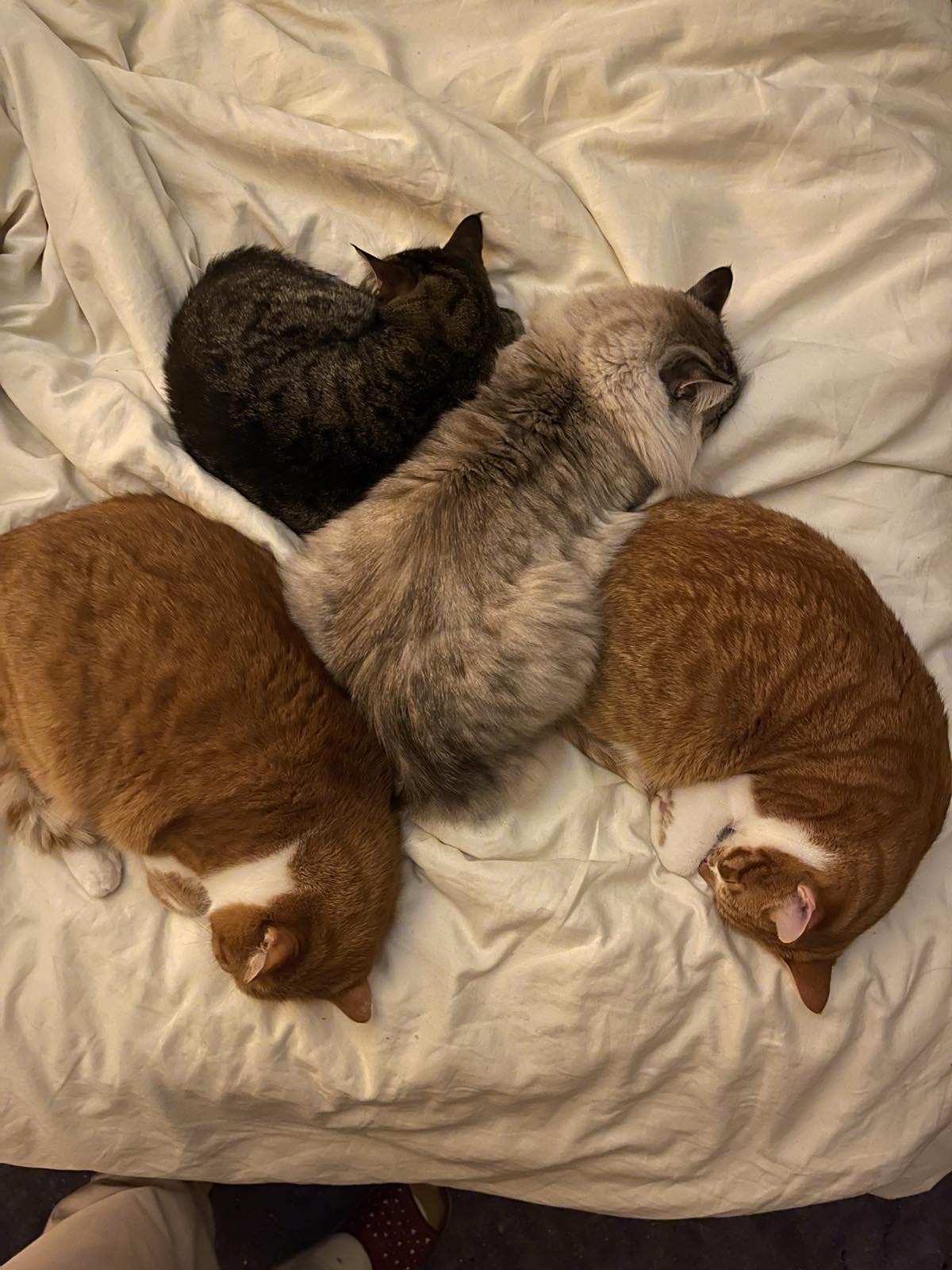
The photo shows two birds that live with her.
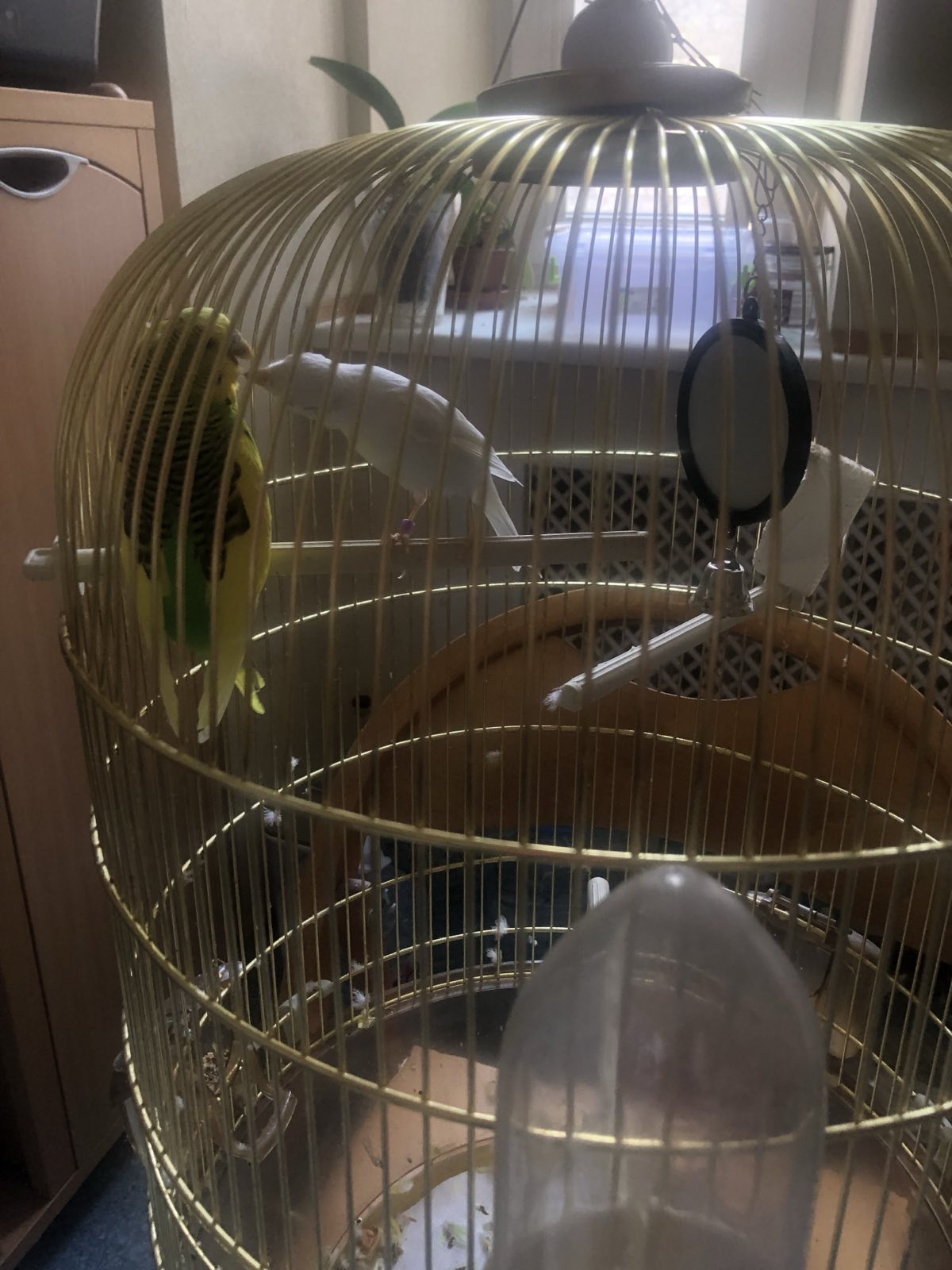
have become part of her family.
The Estonian Refugee Council’s Unified Cash Transfers (UCT) programme is implemented with financial support from the Ukraine Humanitarian Fund (UHF).