

Վերջին 30 տարվա ընթացքում Վրաստանը բախվել է ներքին տեղահանման երկու խոշոր ճգնաժամի։ 2025 թվականի դրությամբ Վրաստանում կա ավելի քան 290,000 ներքին տեղահանված անձ։ Չնայած վերջին ճգնաժամից անցել է 16 տարի, տեղահանվածները դեռևս բախվում են զգալի սոցիալ-տնտեսական մարտահրավերների։ Բացի այդ, իրենց տները լքել ստիպված շատ ուկրաինացիներ ապաստան են գտել Վրաստանում. ներկայումս երկրում կա ավելի քան 27,000 ուկրաինացի փախստական և ապաստան հայցող, ինչն ընդգծում է արտաքին աջակցության անհրաժեշտությունը՝ հակամարտություններից և տեղահանություններից տուժած մարդկանց օգնելու համար։
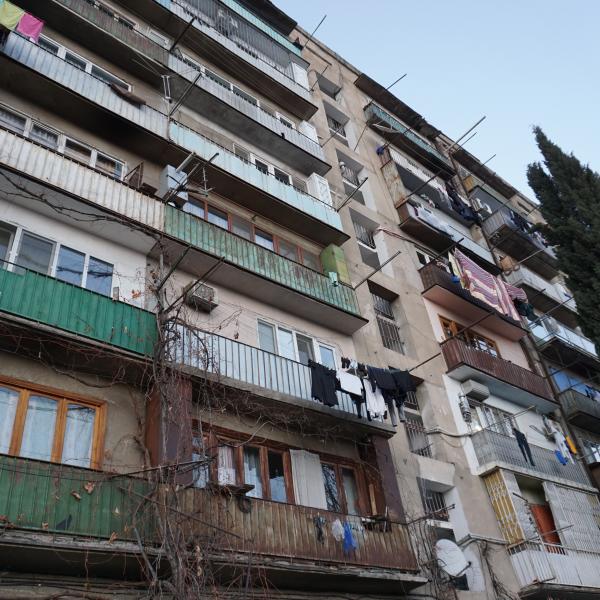
Տեղահանվածների և փախստականների կյանքը Վրաստանում մնում է դժվարին։ Շատերը պայքարում են ապրուստի սահմանափակ հնարավորությունների, անապահով կացարանի, ինչպես նաև առողջապահության, կրթության և սոցիալական ծառայությունների հասանելիության խոչընդոտների դեմ։ Այս դժվարությունները հաճախ խանգարում են վերագտնել կայունությունն ու անկախությունը՝ ընտանիքներին թողնելով երկարատև խոցելիության մեջ։ Առանց շարունակական աջակցության՝ աղքատության և սոցիալական մեկուսացման վտանգը բարձր է մնում թե՛ երկար ժամանակով տեղահանվածների, թե՛ նոր ժամանած փախստականների համար։
Մենք գործում ենք Վրաստանում 2020 թվականից ի վեր՝ աջակցելով ճգնաժամից տուժած համայնքներին՝ հոգալով նրանց հիմնական կարիքները, բարձրաձայնելով նրանց խնդիրները և օգնելով նրանց վերակառուցել իրենց կյանքը։
«Զգացողությունը, որ դու մենակ չես մի այլ երկրում, պարզապես անգնահատելի է»։
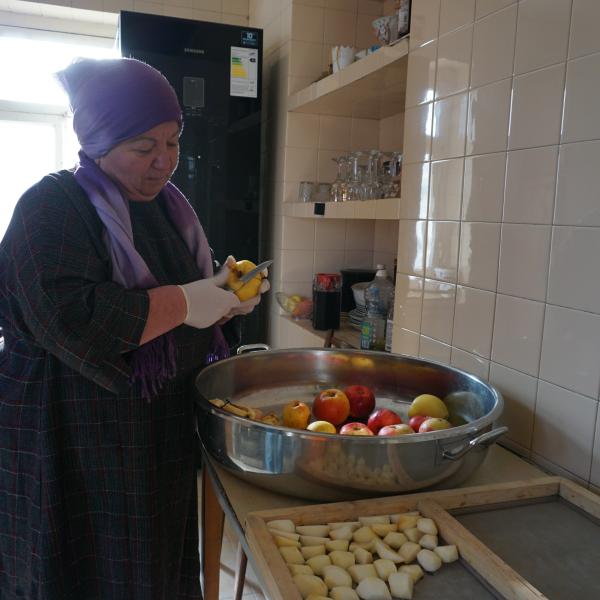
«Ձեր օգնության շնորհիվ ես հնարավորություն ունեմ փոքրիկ դստերս հետ մնալ տաք տանը։ Իսկ այն զգացողությունը, որ դու մենակ չես մի այլ երկրում, պարզապես անգնահատելի է»։
Մեր արձագանքը

Նորություններ
No results found.