
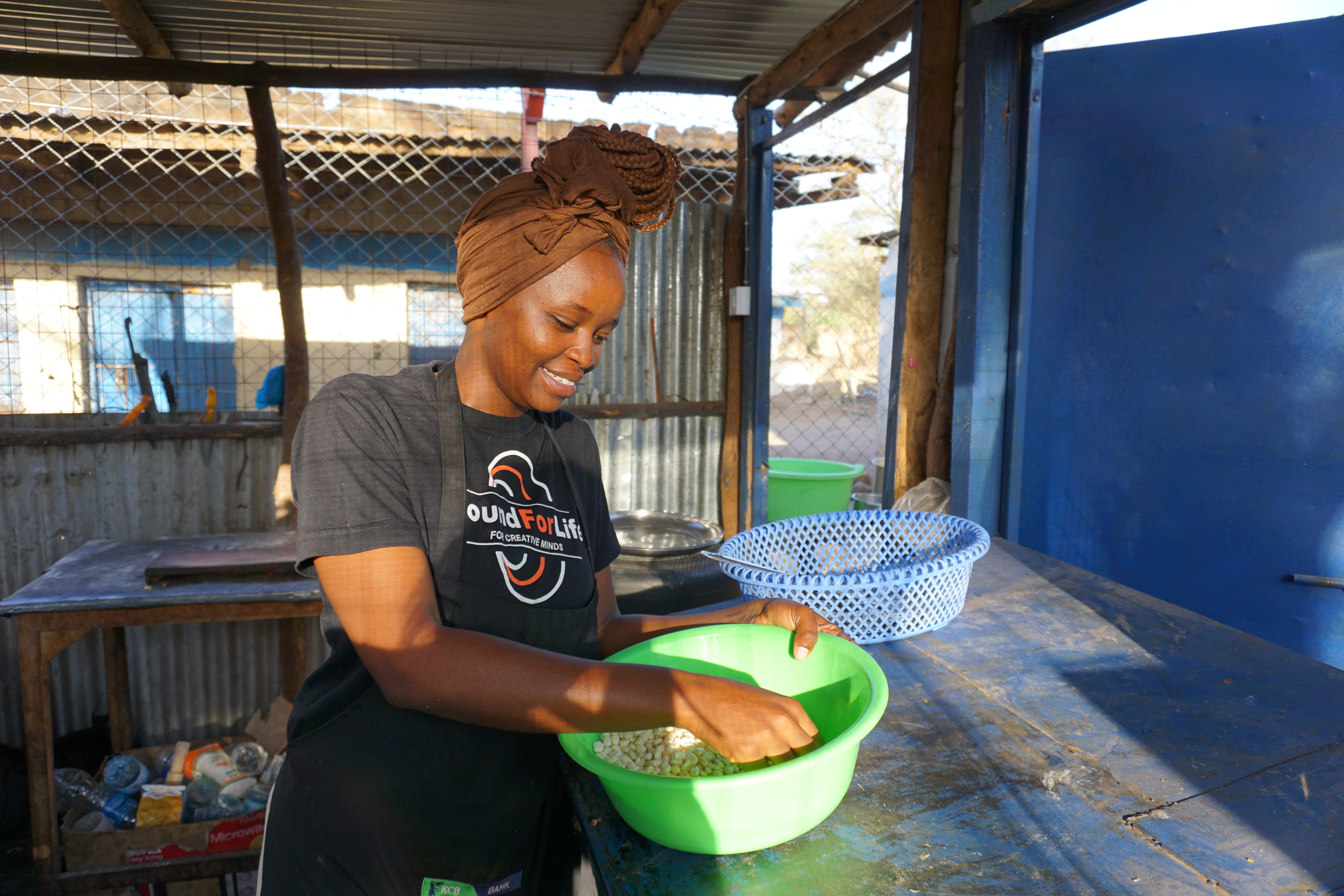
Кения сталкивается со сложной гуманитарной ситуацией, обусловленной климатическими потрясениями, экономическим давлением и долгосрочным перемещением населения. Повторяющиеся засухи и нестабильные осадки усугубляют продовольственную небезопасность, нехватку воды и потерю средств к существованию, особенно в засушливых районах, тогда как периодические наводнения также приводят к перемещению людей и разрушению инфраструктуры. Рост стоимости жизни и безработицы усиливает уязвимость как беженцев, так и принимающих сообществ. Кения остаётся одной из крупнейших стран Африки, принимающих беженцев, с примерно 872 000 беженцев и просителей убежища, в основном из Сомали, Южного Судана и ДРК.
Многие семьи сталкиваются с ростом цен на продукты питания и базовые услуги, что затрудняет удовлетворение повседневных потребностей. В сельских и пострадавших от засухи районах людям часто не хватает воды и продовольствия, тогда как в городах дополнительные трудности создают перенаселение и безработица. Для беженцев жизнь особенно ограничена: многие живут в лагерях или поселениях, где возможности работать и свободно передвигаться ограничены, и где они сильно зависят от гуманитарной помощи. Многие люди в Кении живут в условиях постоянной неопределённости, вынужденно снова и снова адаптируясь к вызовам, которые в значительной степени находятся вне их контроля.
Наш ответ
Новости
No results found.