
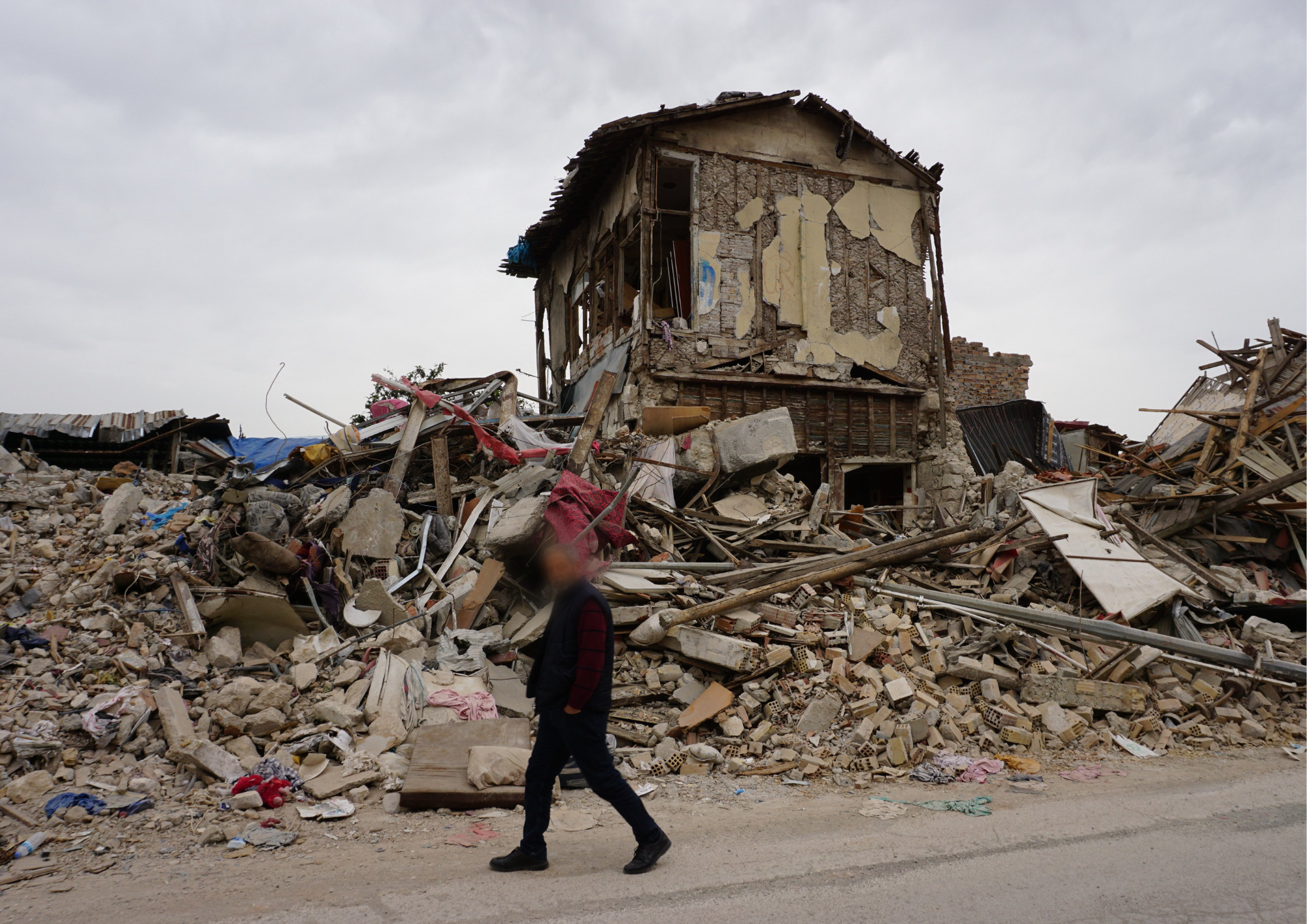
Թուրքիան շարունակում է մնալ աշխարհում փախստականներին հյուրընկալող խոշորագույն երկրներից մեկը՝ ներկայումս ապաստան տրամադրելով շուրջ 3 միլիոն գրանցված փախստականների, հիմնականում՝ Սիրիայից, ինչպես նաև ավելի փոքր խմբերի՝ Աֆղանստանից, Իրաքից և Իրանից։ Հումանիտար ցուցանիշները վկայում են մշտական և համակցված խոցելիության մասին. փախստականների շատ տնային տնտեսություններ ապրում են աղքատության մեջ և հույսը դնում են ոչ ֆորմալ աշխատանքի կամ օգնության վրա, մինչդեռ պատշաճ կացարանի, առողջապահության, կրթության և հիմնական ծառայությունների հասանելիությունը հաճախ սահմանափակ է՝ հատկապես բարձր գնաճի և ծանրաբեռնված պետական համակարգերի պայմաններում։ Այս մարտահրավերներն էլ ավելի են սրվել 2023 թվականի կործանարար երկրաշարժերի հետևանքով, որոնք պատճառ դարձան համատարած ավերածությունների, մարդկային կորուստների և տեղահանությունների՝ խորացնելով առկա հումանիտար կարիքները արդեն իսկ տուժած տարածաշրջաններում։
Փախստական ընտանիքները հաճախ բախվում են իրենց կյանքը զրոյից վերակառուցելու մարտահրավերին՝ միաժամանակ պայքարելով սահմանափակ եկամուտների, անապահով կացարանների և կայուն զբաղվածության խոչընդոտների դեմ։ Երեխաները կարող են բախվել կրթության ընդհատման կամ լեզվական արգելքների հետ, ինչը դժվարացնում է առաջադիմությունը դպրոցում, մինչդեռ մեծահասակները հաճախ ստիպված են լինում կատարել ոչ ֆորմալ, ցածր վարձատրվող աշխատանք՝ իրենց ընտանիքներին պահելու համար։ Երկրաշարժից տուժած շրջաններում ամբողջական համայնքներ շարունակում են ապրել տների և ապրուստի միջոցների կորստով՝ հույսը դնելով հումանիտար աջակցության վրա ոչ միայն հիմնական կարիքների, այլև անորոշ ապագայում կայունության և արժանապատվության զգացում ունենալու համար։
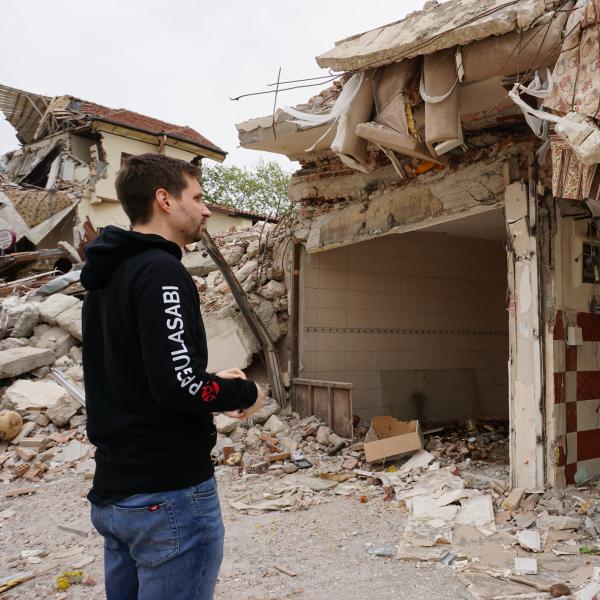
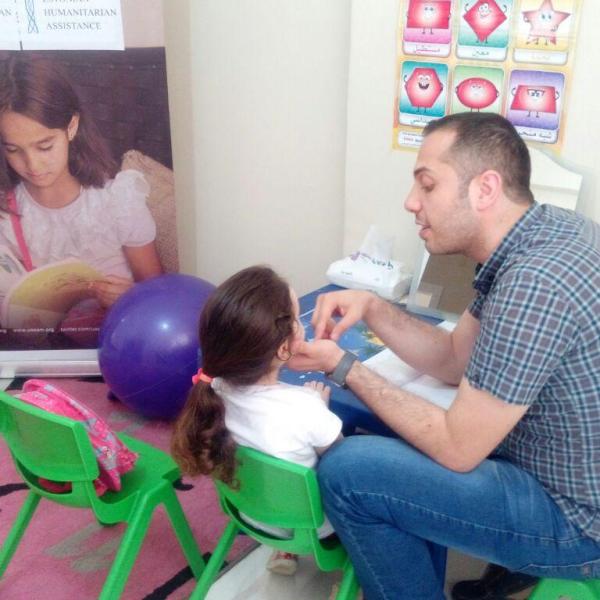
Փախստականների հարցերով էստոնական խորհուրդը սկսել է իր գործունեությունը Թուրքիայում 2016 թվականին՝ կենտրոնանալով Սիրիայի քաղաքացիական պատերազմի հետևանքով տեղահանված երեխաների հոգեկան առողջության և կրթության աջակցության վրա։ 2023 թվականի կործանարար երկրաշարժերից հետո ՓՀԷԽ-ը ընդլայնեց իր արձագանքման գործողությունները՝ տուժած համայնքներին հրատապ հումանիտար օգնություն տրամադրելու նպատակով։
Մեր արձագանքը
Նորություններ
No results found.