
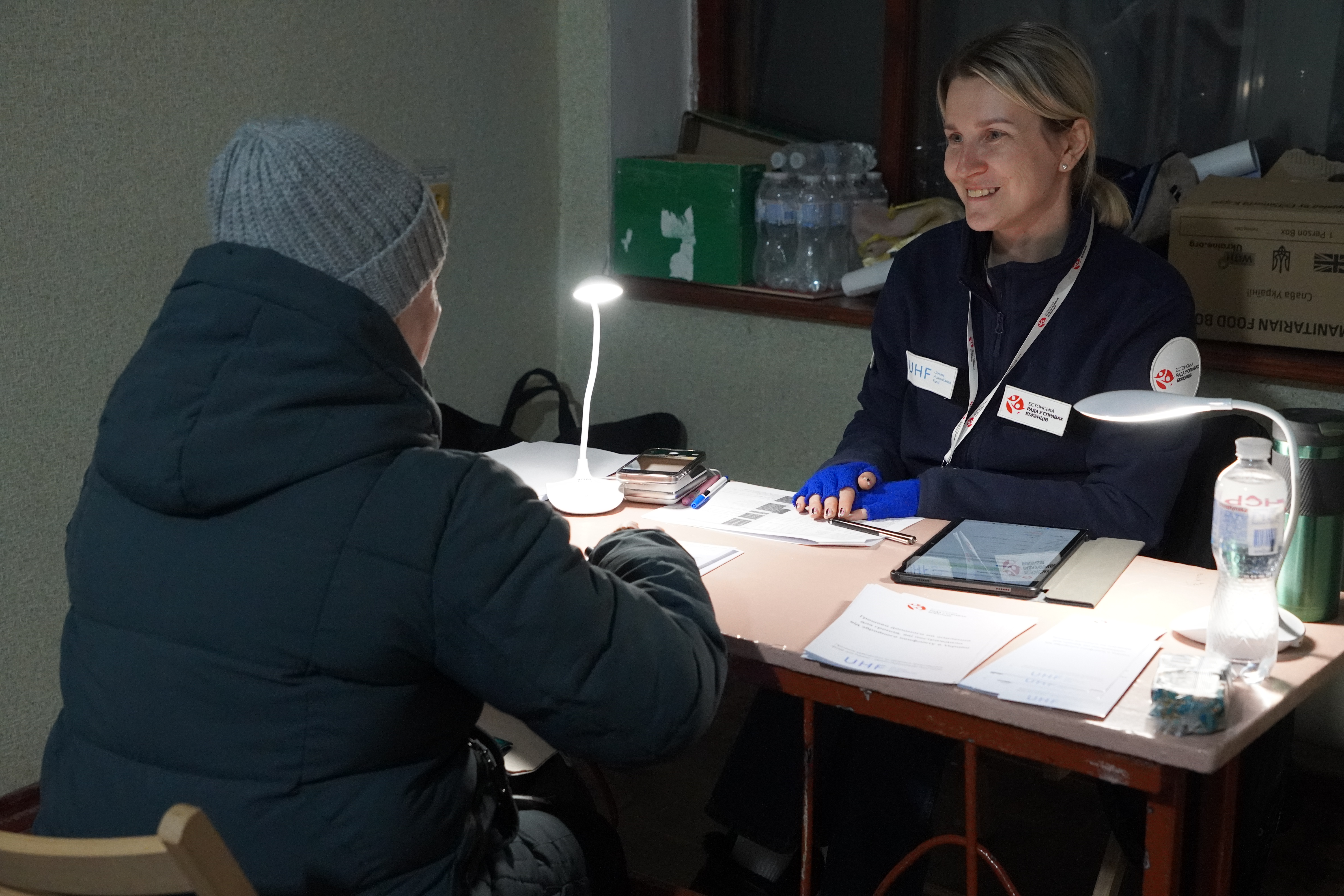
More than three years into the full-scale war, the humanitarian needs in Ukraine remain staggering. Since February 24, 2022, millions of Ukrainians have been forced to flee their homes, resulting in the largest displacement of people in Europe since World War II. As of 2025, an estimated 12.7 million people across the country require humanitarian assistance. Around 3.7 million people are still displaced within Ukraine, and a further 6.7 million have sought refuge abroad — including 6.2 million now living in countries across Europe.
Behind these figures are families separated, communities uprooted, and lives disrupted. Many people continue to live close to active hostilities, where safety is fragile and access to essentials like clean water, food, electricity, or medical care can be limited or unpredictable. Even in parts of the country further from the fighting, life is far from normal. Displaced people face the challenge of starting over in unfamiliar places, often with limited resources.
We have supported the war-affected people in Ukraine since 2014. As the situation evolves, so does our response. We continue to adapt our programmes to meet people’s most urgent needs, helping people stay safe, regain stability, and rebuild their lives.
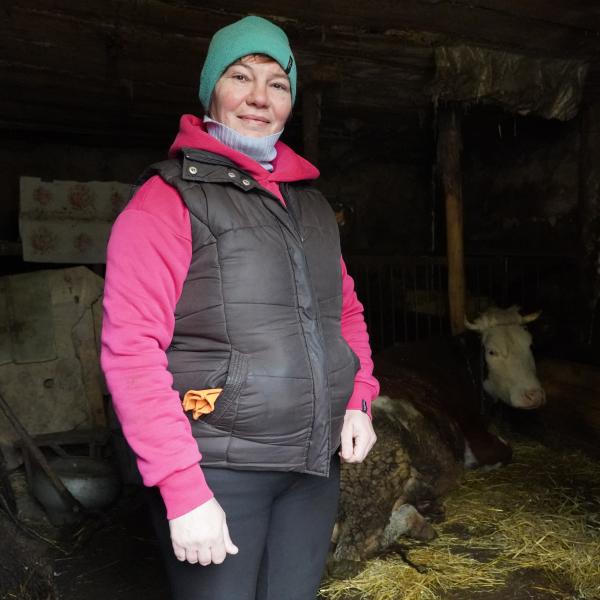
"I’m not going to leave all this behind.”
“It’s not easy to live here under these circumstances but I cannot imagine myself elsewhere. I love my cows and the fruit trees I’ve planted in my garden. I’m grateful for the timely and efficient support ERC provided to me. Every day I do my best to keep the household running. I’m not going to leave all this behind.”
- Olena, a farmer from Dnipropetrovsk region
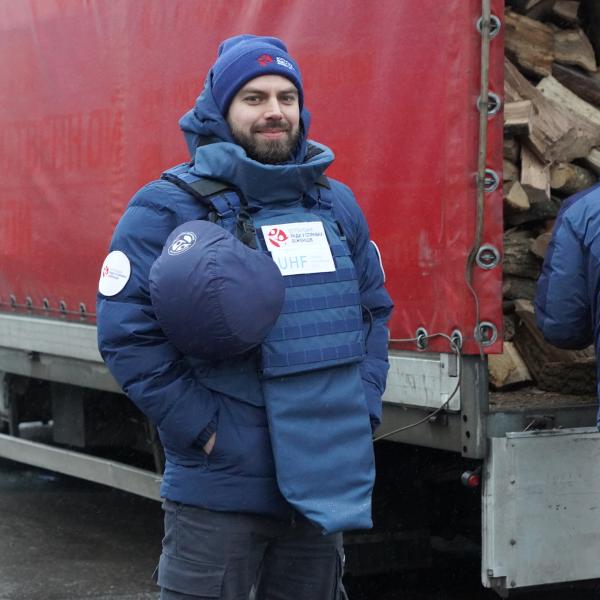
Our response
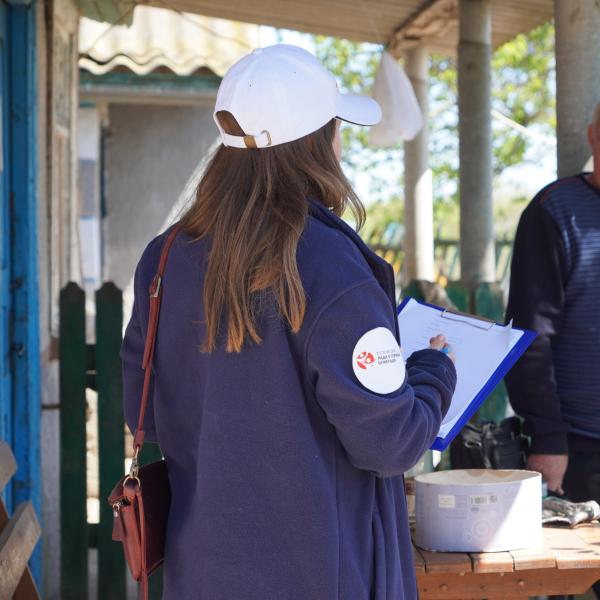




Learn more
Discover the services we offer to support people affected by the war in Ukraine.
News
Kuidas aitasime Ukraina rindeäärseid peresid?
Eesti Pagulasabi toetab igal talvel Ukrainas rindeäärseid peresid, et aidata neil talv üle elada. Sel aastal toetati 150 peret. Keda me aitasime?
Koolid on õppimiseks, mitte sõdimiseks
“Kui Arno isaga koolimajja jõudis, olid sõjaväelased oma positsioonid juba sisse võtnud.” Nii võiks alata “Kevade” loendamatutes riikides, kus paljud…
Eesti Pagulasabi tugiteenuste juht Anu Viltrop: Silmast silma lugusid jutustades saavutab palju
Meie tugiteenuste juht Anu Viltrop räägib intervjuus ajakirjanik Silja Ojale, kuidas jõudis tööle Eesti Pagulasabisse…
Aita Bahabelomil oma perega taasühineda!
Bahabelom põgenes Eritreast koos oma naise ja väikeste lastega. Jõudnud 2014. aastal koos 60 000 teise põgenikuga pagulaslaagrisse, mõistsid nad naisega, et…
Kuidas kaasata erineva kultuuritaustaga lasteaialapsi?
Eesti Pagulasabil on käsil koolitusprogramm “Avatud algus: valik retsepte mitmekultuurilise lasteaia kujundamiseks”. Selle raames õpivad lastega töötavad…
Eesti Pagulasabi tänas oma vabatahtlikke ja pidas jõululaata
Eelmine kolmapäev, 11. detsember oli Eesti Pagulasabil tore ja tihe. Alustasime sellega, et tähistasime vabatahtlike päeva.
Aidates peredel kokku tulla. Anu lugu
Viimase seitsme aasta jooksul on Eesti Pagulasabi aidanud kümnel perel Eestis taasühineda. Tugiteenuste juht Anu Viltrop jagab oma kogemust ühe pere…
Millised projektid said Ukraina makeathonil toetust?
Taasühinenud pered. Yavuzi lugu
Viimase seitsme aasta jooksul on Eesti Pagulasabi aidanud kümnel perel Eestis taasühineda. Sel puhul räägib enda loo Eestisse jõudmisest Yavuz Türgist.